


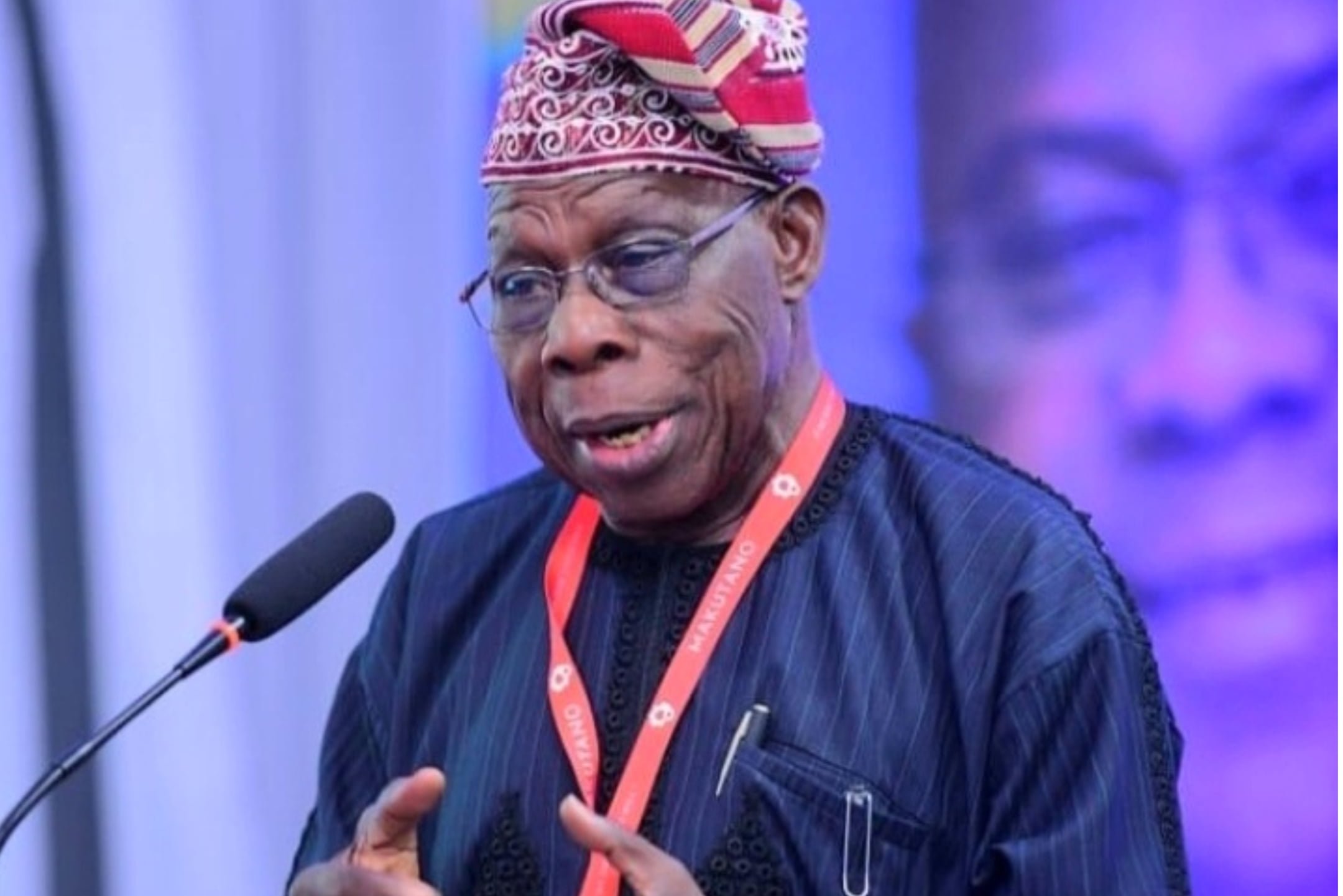
Former President Olusegun Obasanjo has stated that Nigerian soldiers should not have fought Biafran soldiers during the Nigerian Civil War.
Obasanjo stated this via a statement in Abeokuta on Monday while reflecting on 1967 to 1970 civil war.
He lamented that it was painful that citizens were made to fight each other.
The former president, who served as a commander during the war, said civil wars differ from external battles because the objective should be peace and unity rather than destruction.
According to him, Nigerian soldiers and Biafran troops were all citizens of the same country, making the conflict emotionally difficult for many involved.
He said “We shouldn’t have fought ourselves. Civil war is different from fighting external enemies because at the end of the day, you are fighting your brothers”.
He added that the lessons from the war should encourage Nigerians to promote peace, dialogue and unity in order to prevent another national conflict.
Meanwhile, Obasanjo, has revealed that he narrowly escaped death during the crisis that followed the January 1966 military coup in Nigeria.
News360 Info reports that Obasanjo shared the experience during an interview on the Before Tomorrow Comes Podcast. He explained that the violence and confusion after the coup created serious fear within the military, making many officers uncertain about their safety.
According to him, former military officer, Hassan Katsina, quickly stepped in after realising that remaining in Kaduna could put his life in danger. Obasanjo said Katsina informed him that there was no guarantee he would remain safe if he stayed in the city during the unrest.
He disclosed that arrangements were immediately made for him to leave Kaduna and travel to Maiduguri, Borno State, for protection. Obasanjo said it was his first visit to the northeastern city.
The former president explained that he remained in Maiduguri for nearly a month as the country struggled with the tension following the coup. He added that he only returned to Kaduna after the situation had calmed and security concerns had eased.
He said: “I would have probably been killed in the period of the coup, conflict, and confusion. But it was an officer like me, General Hassan Katsina, who said, ‘Oba, if you remain in Kaduna, we are not sure you will be safe’. And I was sent to Borno, Maiduguri. That was my first time going there. I was there for almost a month, and when things cooled down and settled, I was brought back to Kaduna.”