


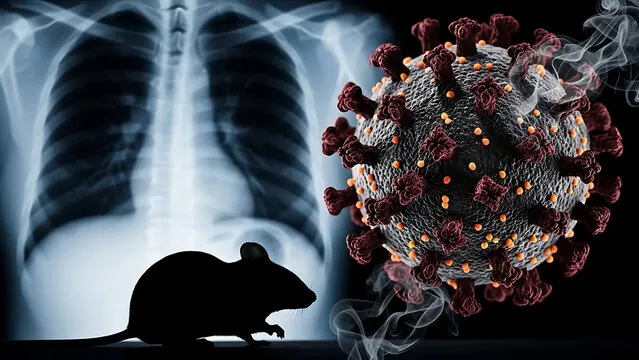
The Nigeria Centre for Disease Control and Prevention (NCDC) has increased its monitoring efforts across the country after reports of a Hantavirus cluster linked to an international cruise ship involving several countries.
News360 Info reports that the Director-General of the agency, Dr Jide Idris, said in a public health update that Nigeria currently has no confirmed case of Hantavirus. He added that the chance of infection spreading in the country is low, but the agency is still keeping close watch due to global developments.
He explained that the situation involves a small number of confirmed and suspected cases linked to the cruise ship, while health teams in affected countries are conducting investigations and tracing contacts.
Hantavirus is known to spread mainly through rodents. People can get infected when they come into contact with contaminated rodents, their waste (such as urine and droppings), saliva, or dust.
According to health information from the agency, early symptoms can include fever and stomach-related illness. In more severe cases, it can lead to breathing problems and other serious complications. Although the illness can be dangerous in some situations, it is not commonly recorded.
The current global cluster has been linked to a strain known as the Andes virus, which, in rare cases, has shown limited spread among humans, especially through very close contact.
Dr Idris maintained that no case has been recorded in Nigeria so far. He said the agency will continue to track the situation closely while strengthening surveillance systems to detect any possible imported case early.
The health agency has also put extra monitoring measures in place as part of efforts to prevent the entry and spread of the disease in the country.
Nigerians have been advised to stay alert and follow basic preventive steps that reduce contact with rodents. These include keeping homes and surroundings clean, storing food properly, disposing of waste correctly, and avoiding exposure to rodents or their droppings. Regular hand washing and safe cleaning methods in areas where rodents may be present were also advised.