


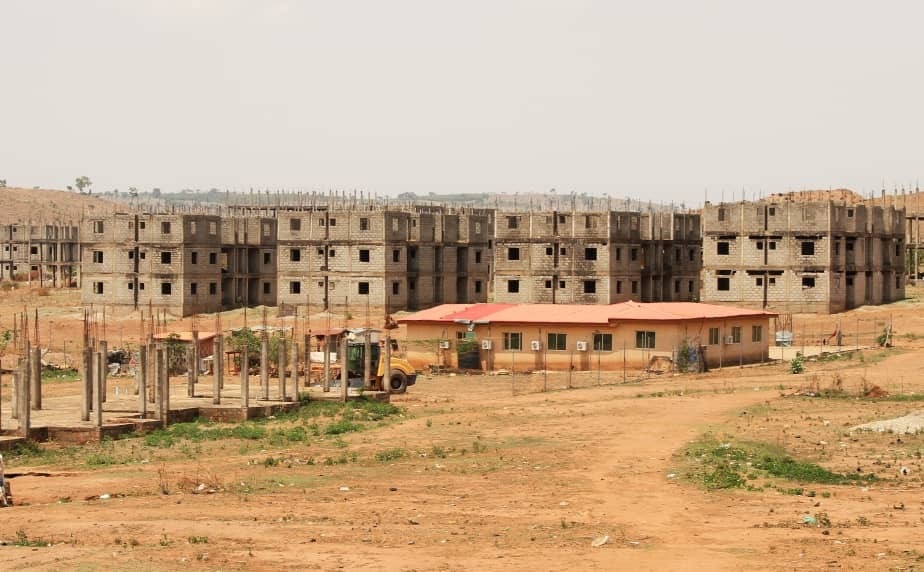
Land has long been seen as the safest investment in Nigeria. The popular saying, “God no dey make land again,” reflects a widely held belief that land values can only go up. Across cities like Lagos, Abuja, Port Harcourt, and emerging corridors such as Ibeju-Lekki, Nigerians rush to buy plots with the hope that prices will double in a few years.
Yet the reality is far less romantic.
Every year, thousands of Nigerians lose millions of naira to land disputes, fraudulent sellers, government acquisition, and poorly documented transactions. For diaspora investors especially, the losses can be devastating. Despite sending more than $20 billion in remittances annually, many overseas Nigerians still lose money through avoidable property disputes and fraudulent deals. (Palton Morgan Holdings)
This article explains why many Nigerians lose money in land investments, the systemic problems in the property market, and how smart investors protect their capital.
The Real Estate Dream That Often Turns Into a Nightmare
Nigeria’s land market is one of the most lucrative but also one of the most chaotic sectors of the economy. Rapid urbanization, population growth, and housing shortages have pushed land prices higher in major cities.
However, this boom has also created a breeding ground for fraud, documentation problems, and disputes.
In fact, land issues dominate the Nigerian legal system. Estimates suggest that roughly 60 percent of civil cases in Nigerian courts are related to land disputes, often caused by unclear ownership or conflicting claims. (Shalom Park Estate)
For investors who fail to understand the complexities of land ownership in Nigeria, the result is predictable: lost money, stalled projects, and sometimes years of litigation.
1. The Omonile Problem
One of the most notorious risks in Nigerian land investment is the Omonile system.
“Omonile” refers to individuals or families who claim ancestral ownership of land and demand payment from buyers, developers, or contractors. While some claims are legitimate, many are not.
In cities like Lagos, this system has become a parallel informal economy. Buyers who thought they purchased land legally may later face multiple demands for payment from different groups claiming ownership.
The problem goes beyond nuisance payments.
Some investors buy land from one family, only to discover that another family claims the same land. Others are forced to abandon projects because of harassment, extortion, or violent disputes.
The persistence of the Omonile system has been identified as a major obstacle to real estate development in Lagos and other rapidly growing urban areas. (Businessday NG)
For investors, the financial consequences can be severe.
2. Buying Land Without Proper Title Verification
Another major reason Nigerians lose money is failure to verify land titles properly before purchase.
Many buyers rely on verbal assurances such as:
- “The land has no problem.”
- “It is family land.”
- “You will be the first owner.”
These statements mean nothing legally.
Under Nigerian law, land ownership is tied to formal documentation such as:
- Certificate of Occupancy (C of O)
- Governor’s Consent
- Registered Deed of Assignment
- Gazette or Excision
Without these documents, ownership claims can collapse.
Experts warn that buyers who fail to verify land titles risk purchasing property that is already disputed, illegally sold, or owned by someone else entirely. (LinkedIn)
In many cases, a single plot of land is sold to multiple buyers by fraudulent agents.
When that happens, everyone loses except the scammers.
3. Government Acquisition Land
Another common trap is buying land that has been acquired by the government.
Across Nigeria, state governments often reserve large parcels of land for infrastructure projects, housing schemes, or public facilities.
These lands may appear vacant and cheap, making them attractive to unsuspecting buyers.
However, if a buyer builds on government-acquired land, authorities can demolish the structure without compensation.
Survey verification is crucial because it confirms whether a property is free from government acquisition or already earmarked for public use. (LinkedIn)
Many Nigerians skip this step in order to save money, only to regret it later.
4. Fake Documents and Forged Surveys
Property fraud in Nigeria has grown increasingly sophisticated.
Scammers often produce:
- Fake Certificates of Occupancy
- Altered survey plans
- Forged government documents
To an inexperienced buyer, these documents may look authentic.
But professional verification often reveals that the documents were forged or altered.
Fake survey plans are particularly dangerous. A buyer may believe they own a specific plot of land, only to discover that the coordinates on the survey map correspond to an entirely different location.
In such cases, recovering the money is almost impossible.
5. Land Sold to Multiple Buyers
This is one of the oldest scams in Nigerian real estate.
A dishonest seller may sell the same piece of land to several buyers at the same time.
Because documentation processes are slow and land registries are poorly digitized in many states, these fraudulent transactions may go undetected for months or even years.
Eventually, multiple buyers show up claiming ownership.
At that point, the dispute typically moves to court, where cases can drag on for years.
Many investors simply abandon the property rather than spend money on legal battles.
6. Rapidly Rising Land Prices Attract Fraud
Nigeria’s booming property markets also attract fraudsters.
Areas experiencing rapid development are especially vulnerable.
For example, property fraud cases in the Lekki-Ajah-Ibeju-Lekki corridor increased by 23 percent between 2023 and 2025, according to data cited by the Lagos State Ministry of Justice. (ATLAS REALTORS)
These areas attract investors because of:
- New infrastructure projects
- Proposed seaports
- Industrial zones
- Expanding residential estates
But high demand also creates opportunities for scams.
Fraudsters know investors are eager to secure land before prices rise further.
7. Poor Land Record Systems
Nigeria’s land documentation system remains fragmented and inefficient.
Many state land registries still rely heavily on manual records rather than digital databases.
This creates several problems:
- Missing documents
- Duplicate records
- Difficult verification processes
Poor record keeping is a major reason land disputes are so common in the country. (OAL Law)
In developed property markets, land ownership can be verified within minutes online.
In Nigeria, verification can take weeks or months.
That delay creates opportunities for fraud.
8. Cultural and Family Land Complications
Another hidden risk comes from family-owned land.
Large portions of land in Nigeria are inherited collectively by extended families.
A single family member may claim to represent the entire family and sell land to a buyer.
Later, other relatives may dispute the transaction.
Because customary land rights still operate alongside statutory law, these disputes can become legally complex.
The result is often a long legal battle.
For investors, that means years of uncertainty and frozen capital.
9. Investors Ignoring Professional Advice
Many Nigerians attempt to buy land without consulting professionals.
To save money, buyers often skip:
- Property lawyers
- Licensed surveyors
- Estate surveyors and valuers
This is a costly mistake.
Professional estate surveyors and valuers in Nigeria are regulated by professional bodies that set standards for property transactions and valuation. (Wikipedia)
These professionals conduct due diligence that can uncover risks early.
Without that expertise, buyers are vulnerable.
10. Economic Pressures and Desperation
Nigeria’s difficult economic environment also plays a role.
Inflation, currency depreciation, and rising living costs push many Nigerians to search for “quick investment opportunities.”
Real estate promoters often exploit this desperation by advertising land as a guaranteed wealth generator.
However, economic factors such as inflation, exchange rate volatility, and political risks already create uncertainty in the real estate sector. (ResearchGate)
When these macroeconomic pressures combine with weak regulation, the investment risks multiply.
How Smart Investors Avoid Losing Money
Despite these challenges, land investment in Nigeria can still be profitable.
But only if investors follow strict due diligence.
Experienced investors typically follow these steps:
1. Conduct a Land Registry Search
Verify ownership at the state land registry before paying any money.
2. Confirm Survey Coordinates
A licensed surveyor should check whether the land falls under government acquisition.
3. Verify Title Documents
Ensure the land has a valid title such as C of O, Gazette, or Governor’s Consent.
4. Use a Property Lawyer
Legal professionals can identify risks hidden in contracts and documentation.
5. Buy From Verified Developers
Established developers with government-approved titles reduce fraud risk.
The Bottom Line
Land remains one of the most powerful wealth-building tools in Nigeria.
But it is also one of the riskiest investment sectors in the country.
Weak documentation systems, fraudulent sellers, customary land conflicts, and rapid urban expansion create a volatile property market where inexperienced buyers can easily lose money.
For Nigerians at home and abroad, the lesson is clear.
Land investment is not simply about buying a plot and waiting for appreciation. It requires legal verification, professional guidance, and patience.
In Nigeria’s real estate market, the difference between profit and disaster often comes down to one simple rule:
Never buy land until you verify everything.
Read also
Treasury Bills vs Fixed Deposits in Nigeria (2026): Which Investment Pays Higher Returns Right Now?
Is Nigeria Still a Smart Investment in 2026? Opportunities, Risks, and the Real Economic Outlook
12 Side Hustle Scams Nigerians Must Avoid in 2026 Before You Lose Your Hard-Earned Money
8 High-Income Skills Nigerians Can Learn in 90 Days to Boost Earnings in 2026
Why Most Side Hustles Fail After a Few Months
Top Online Jobs Nigerians Can Do and Earn in Dollars in 2026
Side Hustles Nigerians Are Using to Survive the Economy
What CBN Banking Policies Mean for Everyday Nigerians
Why USSD Banking Is Becoming More Expensive for Nigerians (Full Breakdown for 2026)