


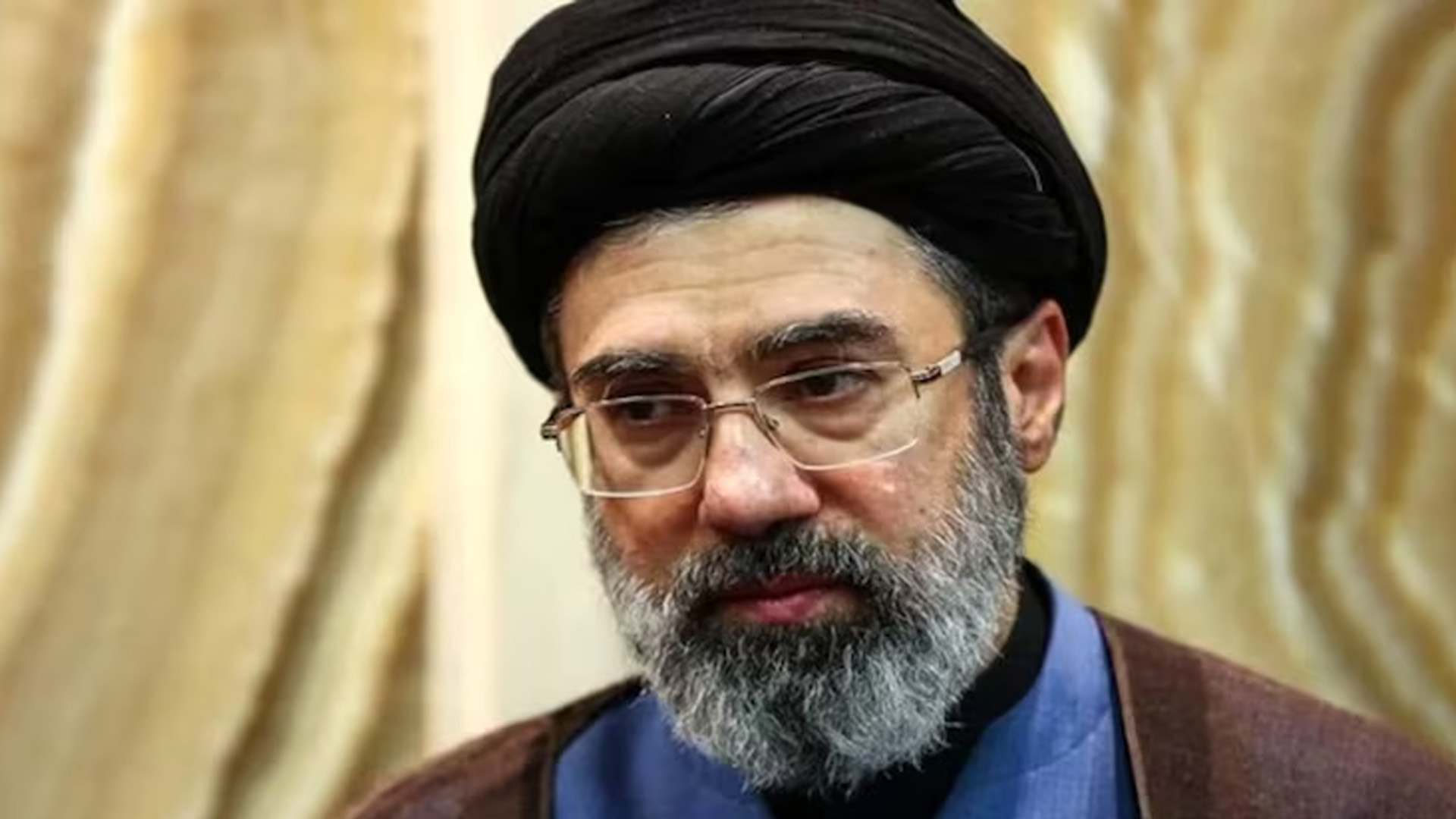
Iran has appointed Mojtaba Khamenei as its new Supreme Leader following the death of his father, Ayatollah Ali Khamenei, in a major escalation of the ongoing conflict involving Iran, Israel, and the United States.
The decision was announced by Iranian state media after a vote by the Assembly of Experts, the powerful 88 member clerical body responsible under Iran’s constitution for selecting the country’s highest political and religious authority. Mojtaba Khamenei, a 56 year old cleric, now becomes the third Supreme Leader since the 1979 Islamic Revolution.
Ayatollah Ali Khamenei, who ruled Iran for more than three decades, was reportedly killed in an airstrike during the early phase of the current war that has shaken the Middle East. His death triggered a leadership crisis in Tehran and forced Iran’s political and religious establishment to move quickly to select a successor.
In the days following the assassination, an interim leadership council temporarily oversaw the affairs of state while the Assembly of Experts deliberated on the next Supreme Leader. After days of consultations, Mojtaba Khamenei emerged as the consensus candidate among Iran’s powerful clerical and security factions.
Although Mojtaba Khamenei has never held an official government post or contested an election, he has long been considered one of the most influential figures within Iran’s political establishment. For years, he worked behind the scenes within the inner circle of his father’s administration and built close ties with conservative clerics and the Islamic Revolutionary Guard Corps.
His appointment marks a historic and controversial moment in Iran’s political history. Critics inside and outside the country have warned that the succession resembles a dynastic transfer of power, something Iran’s Islamic Republic had long rejected since the fall of the monarchy in 1979.
Supporters within Iran’s conservative establishment, however, argue that Mojtaba Khamenei’s deep ties to the religious and military leadership make him the most suitable figure to guide the country through one of the most dangerous periods in its history.
As Supreme Leader, Mojtaba Khamenei now holds ultimate authority over Iran’s armed forces, judiciary, intelligence services, and nuclear program. The position also gives him final say over key state policies and strategic decisions.
His leadership begins at a time of intense regional instability. Iran remains locked in a widening conflict that has already seen missile exchanges, airstrikes on military and energy infrastructure, and rising tensions across the Gulf region. International reactions to his appointment have been swift, with some Western leaders expressing concern about the direction Iran may take under the new leadership.
For many Iranians, the transition marks the end of an era. Ayatollah Ali Khamenei dominated Iran’s political landscape for more than three decades, shaping the country’s foreign policy, domestic politics, and ideological direction.
Now, the responsibility of leading the Islamic Republic through war, economic pressure, and global scrutiny falls to his son.
Whether Mojtaba Khamenei can consolidate power and maintain stability in Iran during this volatile period remains one of the most pressing questions in Middle Eastern politics today.