

Nigeria’s financial landscape has transformed dramatically over the past decade, with fintech apps rising as powerful challengers to traditional banks. From instant payments and mobile wallets to online lending and investment platforms, fintech has changed how Nigerians access financial services. Yet, with innovation comes the question many Nigerians ask: which is safer for your money—traditional banks or fintech apps?
This post explores the safety, security, and reliability of both financial systems, with a focus on current regulations, consumer protection, and market realities in Nigeria.
The Dominance of Traditional Banks in Nigeria
For decades, traditional banks such as Access Bank, Zenith Bank, GTBank, and First Bank have been the backbone of Nigeria’s financial sector. These institutions offer insured deposits, regulated lending, and robust compliance with the Central Bank of Nigeria (CBN) rules.
One key safety factor is deposit insurance. Under the Nigeria Deposit Insurance Corporation (NDIC), deposits in licensed banks are insured up to N500,000 per depositor. This insurance provides a safety net for account holders in the unlikely event of bank insolvency, a reassurance that fintech apps cannot yet offer comprehensively.
Traditional banks also invest heavily in cybersecurity, employing multi-layer authentication, fraud monitoring systems, and regulatory compliance to protect customers’ funds. Most Nigerian banks offer two-factor authentication (2FA) and alerts for suspicious transactions, giving customers a degree of control over their money and account security.
However, traditional banks are not without challenges. Long queues, slow transaction processes, limited weekend services, and occasional system downtimes can frustrate customers, making them vulnerable to scams or delayed transactions.
Fintech Apps: Convenience Meets Innovation
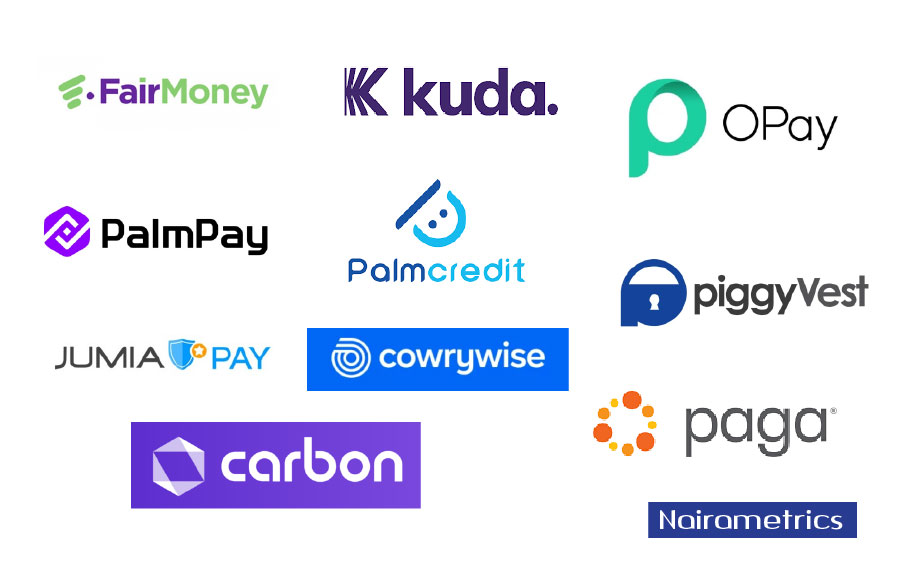
Fintech companies like Flutterwave, Paystack, Carbon, Kuda, and Opay have rapidly gained market share by offering fast, digital-first financial services. Mobile wallets, instant transfers, online loans, and investment opportunities have made these platforms particularly attractive to Nigeria’s young, tech-savvy population.
One advantage fintech apps offer is convenience. Users can transfer money, pay bills, or access loans in minutes, all from a smartphone. Additionally, fintech apps often integrate machine learning and AI to monitor transactions in real time, reducing fraud and flagging suspicious activity faster than some traditional banks.
Regulatory oversight is evolving. The Central Bank of Nigeria has issued licenses for Payment Service Banks (PSBs), electronic money institutions (EMIs), and other fintech platforms, enforcing minimum capital requirements and transaction monitoring. The CBN’s guidelines aim to improve consumer protection, but enforcement can be slower than in traditional banking, given the rapid pace of fintech innovation.
Safety Comparison: Regulatory Frameworks and Risk Factors
When comparing safety, traditional banks have the advantage of established regulatory frameworks. NDIC insurance, regulatory audits, and CBN oversight create multiple layers of protection for depositors. Any dispute or fraud in a licensed bank can be escalated through formal complaint channels, and customers have recourse to legal remedies.
Fintech apps, while regulated, operate in a more dynamic environment. Many are not covered by NDIC insurance, meaning deposits above the app’s internal safeguards are at risk if the company collapses or suffers a cyberattack. However, some fintechs have adopted insurance partnerships or escrow arrangements to safeguard user funds, signaling growing maturity in risk management.
Cybersecurity is critical for both sectors. While banks maintain large IT security teams, fintech apps often innovate faster, using biometrics, AI fraud detection, and encryption to secure transactions. Still, digital scams—including phishing, SIM swap fraud, and fake app clones—remain common challenges in Nigeria’s fintech space. Users must remain vigilant regardless of platform.
Consumer Experience and Accountability
Another factor in evaluating safety is customer experience and dispute resolution. Traditional banks have clear complaint mechanisms, formal escalation paths, and established relationships with regulatory bodies. Fintech apps, while responsive, sometimes lack formal grievance systems, making redress slower in certain cases.
Transaction transparency is also relevant. Banks provide monthly statements, alerts, and reconciliation features. Fintech apps may offer real-time notifications but may not always provide detailed account histories or easy tracking of automated debit orders, depending on the platform.
The Role of Education and Awareness
Ultimately, the safety of your money in Nigeria depends on both institutional safeguards and personal vigilance. Consumers must understand phishing scams, protect passwords, verify app authenticity, and avoid sharing sensitive information online. For both banks and fintech apps, the safest users are informed users.
Which Is Safer for Your Money?
If safety is defined by deposit insurance, legal recourse, and regulatory oversight, traditional banks maintain an edge. They are better suited for large deposits, long-term savings, and investments requiring maximum security.
Fintech apps, on the other hand, excel in speed, accessibility, and convenience, but carry higher operational and cybersecurity risks. They are ideal for smaller transactions, everyday payments, and instant financial services—but users should only keep manageable sums in these apps at any time.
Conclusion
Nigeria’s financial sector is evolving into a hybrid ecosystem where banks and fintechs coexist. The safest approach may be diversification: using traditional banks for insured deposits and long-term savings, while leveraging fintech apps for convenience, digital payments, and short-term access to funds.
As the CBN and other regulators tighten oversight and fintech companies adopt stronger consumer protection measures, the gap in safety between traditional banks and fintech apps is likely to narrow. For now, Nigerians should carefully weigh the convenience of fintech against the security of established banks when deciding where to keep their money.