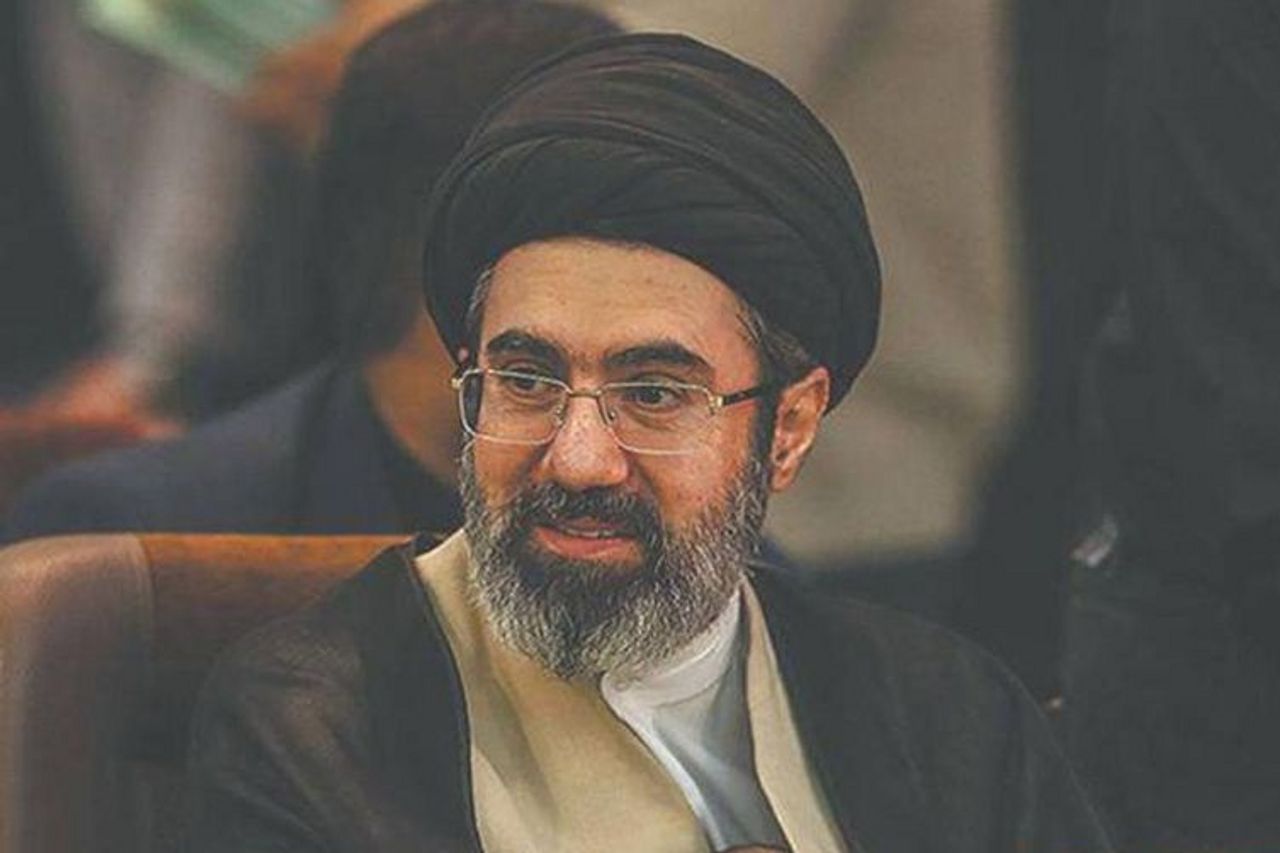
The appointment of Mojtaba Khamenei as Iran’s Supreme Leader has become one of the most searched global political stories. After the death of his father, Ayatollah Ali Khamenei, Iran’s powerful Assembly of Experts selected him to lead the Islamic Republic during one of the most volatile periods in the Middle East.
But who exactly is Mojtaba Khamenei, the relatively secretive cleric who has now taken control of one of the most powerful positions in global politics?
Here are 10 important things to know about Mojtaba Khamenei, the man now leading Iran.
1. He Is the Son of Iran’s Longtime Supreme Leader
Mojtaba Khamenei is the second son of Ayatollah Ali Khamenei, who ruled Iran as Supreme Leader for more than three decades. He grew up inside one of the most powerful political families in the Islamic Republic.
His father became Iran’s Supreme Leader in 1989, and Mojtaba spent much of his life inside the political and religious circles surrounding the leadership.
2. He Was Born in Mashhad in 1969
Mojtaba Hosseini Khamenei was born on September 8, 1969, in Mashhad, one of Iran’s most important religious cities.
His childhood coincided with the dramatic years surrounding the 1979 Islamic Revolution, which transformed Iran from a monarchy into a theocratic republic.
3. He Fought in the Iran–Iraq War
Like many young Iranian men of his generation, Mojtaba joined the military during the Iran–Iraq War in the 1980s. (Wikipedia)
He served in units connected to the Islamic Revolutionary Guard Corps (IRGC), the powerful military organization created to defend the Islamic Republic.
4. He Studied Islamic Theology in Qom
After finishing high school, Mojtaba pursued religious studies at seminaries in Qom, the center of Shia Islamic scholarship in Iran. (Wikipedia)
Over the years he rose through the clerical ranks and became a religious teacher, strengthening his credentials within Iran’s religious establishment.
5. He Was a Powerful Figure Behind the Scenes
For decades, Mojtaba was known as a “shadow power” within the Iranian system. (The Times of India)
Despite rarely appearing in public or holding elected office, he played a key role in the Office of the Supreme Leader, acting as a gatekeeper and trusted adviser to his father. (United Against Nuclear Iran)
Many analysts believe he quietly helped shape Iran’s internal power structure.
6. He Has Close Ties to the Revolutionary Guards
Mojtaba Khamenei is widely known for his strong connections to the Islamic Revolutionary Guard Corps and the Basij militia, both of which are crucial pillars of Iran’s political system. (www.ndtv.com)
These relationships helped him build influence inside Iran’s military and security establishment.
7. He Was Previously Sanctioned by the United States
In 2019, the U.S. Treasury Department sanctioned Mojtaba Khamenei, accusing him of representing the interests of his father and supporting the Iranian leadership structure.
The sanctions were part of broader measures targeting Iran’s political elite.
8. Critics Say His Rise Resembles a Political Dynasty
Iran’s political system was founded after the revolution partly to reject monarchy.
Because Mojtaba succeeded his father, some critics say the transition resembles a dynastic transfer of power, something rarely seen in modern republics.
Supporters, however, argue he earned the role through influence and religious credentials.
9. He Is Considered a Hardline Conservative
Political analysts widely describe Mojtaba Khamenei as a hardline conservative cleric who supports the ideological direction of the Islamic Republic.
His views are believed to align closely with Iran’s conservative establishment and its confrontational stance toward Western powers.
10. He Is Now One of the Most Powerful Men in the World
As Supreme Leader, Mojtaba Khamenei now holds ultimate authority over Iran’s military, judiciary, intelligence agencies, and nuclear program. (AP News)
The role makes him the most powerful political and religious figure in Iran, with influence that stretches across the Middle East and global geopolitics.
Why Mojtaba Khamenei Matters Now
Mojtaba Khamenei’s rise to power comes at a moment of intense regional instability and escalating tensions between Iran, Israel, and Western countries. (AP News)
His leadership will likely shape Iran’s foreign policy, nuclear ambitions, and military strategy for years to come.
For much of his life, Mojtaba Khamenei operated quietly behind the scenes. Now, as Supreme Leader, he stands at the center of global attention, guiding one of the most influential nations in the Middle East.