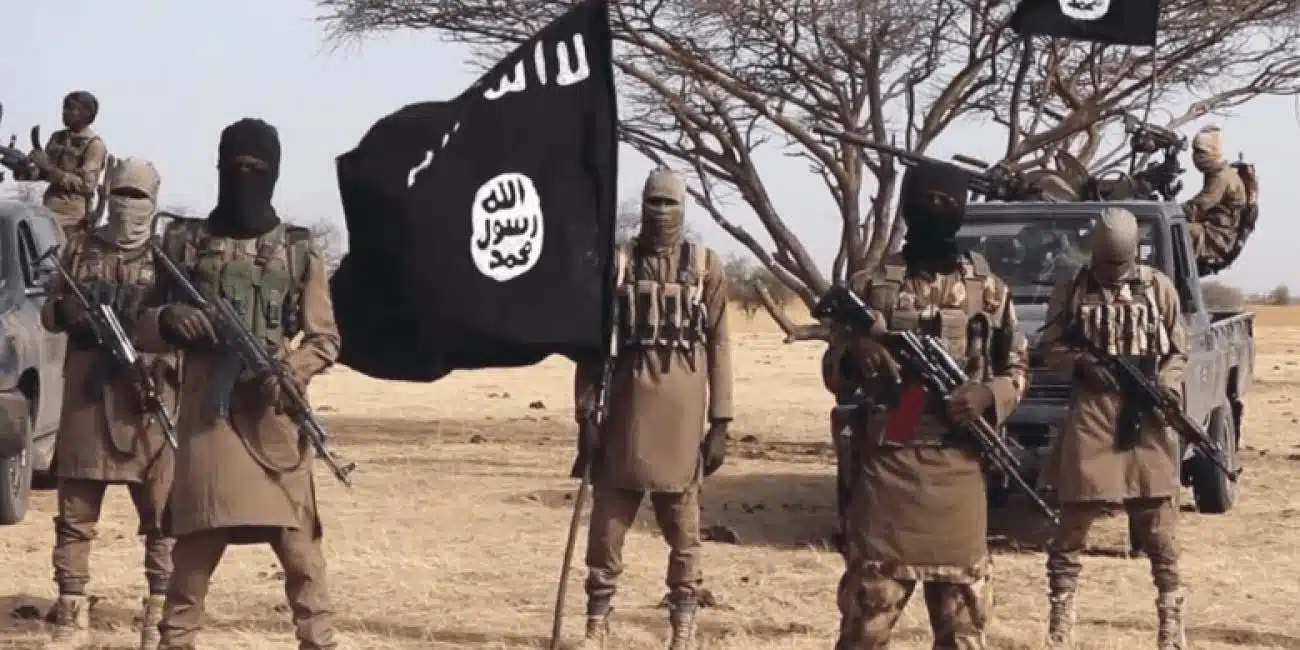
Confusion has reportedly engulfed a factional camp of the Islamic State West Africa Province (ISWAP) after a senior commander was allegedly killed by an improvised explosive device planted by his own group.
Security sources disclosed that the incident occurred on February 24 in parts of the Lake Chad Basin, triggering internal discord and heightened tension among insurgents operating in Borno State and surrounding areas.
According to sources, trouble began when a fighter identified as a Unit Intelligence Member (UIM) confronted a senior commander, Amir Musa, seeking clarification over the deaths of two members of the group.
The UIM reportedly demanded explanations over the killing of one Abu Nazir, said to have been eliminated by fellow ISWAP elements, and the death of another senior commander, Abu Kasim.
The questioning is said to have deepened mistrust within the camp, with some fighters alleging operational lapses and internal sabotage.
According to Zagagola Makama, sources said Abu Kasim died after an improvised explosive device planted by his own faction detonated along a route where he was operating.
The explosion reportedly occurred during clashes between ISWAP and rival elements of Jama’atu Ahlis Sunna Lidda’awati wal-Jihad (JAS), widely known as Boko Haram.
Further accounts indicated that Abu Nazir’s death followed a separate encounter with Boko Haram fighters believed to have been responsible for the earlier killing of Abu Kasim.
The sequence of events reportedly compounded suspicion within the ISWAP ranks, with allegations of friendly fire and breakdown in coordination surfacing among fighters.
ISWAP vs Boko Haram
The development highlights the persistent hostilities between ISWAP and JAS, despite both groups tracing their origins to the same insurgent movement.
Security analysts have long noted that rivalry over territory, ideology, and command structure has fueled deadly clashes between the two factions in the Lake Chad Basin.
Sources said the latest incident further weakened operational cohesion within the insurgent camp, even as Nigerian and regional forces continue sustained pressure on terrorist enclaves.